
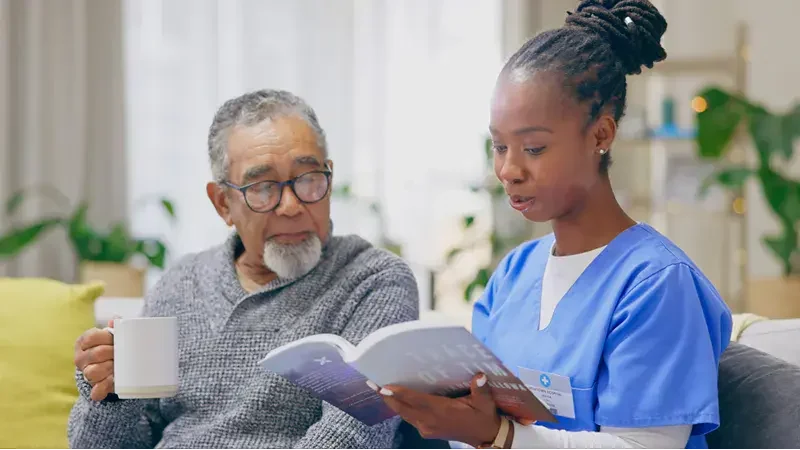
Sometimes, the smallest gestures make the biggest difference. A friendly conversation, a shared laugh, or simply sitting beside someone who needs companionship can bring comfort during life’s most difficult moments. For a hospice volunteer, these everyday acts of kindness are at the heart of making a meaningful difference.
If you’ve ever wondered what it’s like to volunteer with hospice services, you might be surprised to learn that you don’t need a medical background to make an impact. Hospice volunteers provide companionship, emotional support, and practical assistance that can brighten someone’s day while giving family caregivers a much-needed break.
Every Hospice Volunteer Brings Something Unique To The Day
Hospice volunteers play such an important role that their involvement is actually part of federal hospice care standards. According to the Centers for Medicare & Medicaid Services (CMS), Medicare-certified hospice programs must provide volunteer services equal to at least 5% of the total patient care hours provided by paid hospice staff.
There isn’t one standard schedule or experience for hospice volunteers. Your activities may vary depending on your interests, availability, training, and the needs of the patients and families you’re supporting. Some volunteers visit patients and provide companionship. Others help with administrative tasks, community outreach, or special projects that support hospice organizations in serving their communities.
What connects these different roles is the opportunity to make a meaningful difference through kindness, empathy, and human connection.
Starting The Day With Purpose & Compassion
Before visiting a patient, a hospice volunteer may check in with the volunteer coordinator to review the day’s assignment and any important instructions.
Volunteers work within the guidance of the hospice care team, which may include nurses, social workers, chaplains, hospice aides, and other professionals. Each team member contributes to the patient’s comfort, dignity, and quality of life.
As a volunteer, your role is different from that of a medical professional. You aren’t responsible for administering medications, performing clinical procedures, or making healthcare decisions. Instead, you provide non-medical support that complements the care patients already receive.
This coordination helps ensure that your time with patients is comfortable, appropriate, and centered on their individual needs.
A Simple Visit Can Bring Meaningful Companionship
Imagine arriving for a scheduled visit with someone receiving hospice care at home. You greet them warmly, ask how they’re feeling, and let them guide the conversation.
Perhaps they want to share stories about their childhood, talk about their grandchildren, or discuss a favorite hobby. Maybe they would enjoy listening to music, looking through photographs, or hearing a book read aloud.
Other days, they may not feel like talking at all.
One of the most valuable qualities of a hospice volunteer is recognizing that companionship doesn’t always require conversation. Sometimes, sitting quietly beside someone is enough to help them feel less alone.
This compassionate presence is especially meaningful for patients experiencing social isolation, limited mobility, or fewer opportunities to connect with others.
Active Listening Helps Patients Feel Heard & Valued
Hospice patients may want to talk about memories, relationships, accomplishments, or concerns about the future. These conversations can be joyful, emotional, or a little of both. As a volunteer, you don’t need to have all the answers. Your responsibility is to listen with patience, respect, and empathy.
Active listening means giving someone your full attention, letting them express themselves without judgment, and resisting the urge to offer advice or reassurance immediately. When someone feels genuinely heard, even an ordinary conversation can become a meaningful source of emotional support.
Giving Family Caregivers A Moment To Recharge
Hospice volunteers also make a difference for the people caring for their loved ones. Family caregiving can be physically demanding and emotionally exhausting. Spouses, children, and other loved ones may spend much of their time coordinating appointments, assisting with daily activities, and providing ongoing companionship.
A scheduled volunteer visit can offer a welcome opportunity for a caregiver to take a short break, knowing someone is there to provide companionship.
How Hospice Volunteers Support Family Caregivers
Depending on the volunteer’s assignment and the hospice program’s guidelines, non-medical caregiver support may include:
- Spending Time With A Patient While A Caregiver Takes A Short Break
- Providing Friendly Conversation & Companionship
- Reading Aloud Or Sharing Appropriate Activities With The Patient
- Offering A Compassionate Listening Ear To Family Members
- Helping Patients Feel Socially Connected During The Day
- Communicating Relevant Concerns To The Hospice Care Team
These visits can provide valuable relief, although volunteer companionship is not a substitute for professional respite care, medical supervision, or hands-on personal care. For caregivers, knowing that someone cares about their well-being can be just as meaningful as the practical assistance they receive.
Hospice Volunteering Is About Following The Patient’s Lead
No two patients experience serious illness in exactly the same way. Some enjoy regular conversations and activities, while others prefer shorter visits or quiet companionship. A meaningful volunteer experience begins with respecting those preferences.
If someone is tired, you might shorten your visit. If they’re feeling talkative, you can give them time to share. If they prefer silence, you can simply be present.
Hospice volunteers also respect personal boundaries, cultural traditions, spiritual beliefs, and family relationships. The goal isn’t to direct someone’s experience but to support their comfort and dignity.
This patient-centered approach reflects the larger hospice philosophy, which emphasizes quality of life, compassionate care, and respect for individual wishes.
Behind-The-Scenes Volunteers Make Hospice Care Possible
Not every hospice volunteer spends time directly with patients. If you prefer working behind the scenes, there may be other ways to contribute your time and talents.
Administrative volunteers help hospice organizations stay organized and connected to the communities they serve. Their work supports the professionals and volunteers who provide direct patient care.
Hospice Volunteer Opportunities Beyond Patient Visits
Depending on the organization’s needs, volunteer opportunities may include:
- Assisting With General Office & Administrative Tasks
- Helping Prepare Materials For Community Outreach Activities
- Supporting Volunteer Appreciation Events Or Special Projects
- Organizing Approved Educational Resources & Informational Materials
- Assisting With Remembrance Events & Bereavement-Related Activities
- Helping Coordinate Appropriate Community Service Initiatives
Some hospice programs also offer specialized opportunities for veteran volunteers, who may provide companionship and connection to fellow veterans through shared experiences.
These opportunities vary by provider, so it’s important to ask which roles are currently available when you apply.
What Happens When A Hospice Volunteer Encounters Grief?
Because grief is a natural part of hospice care, volunteer training also addresses emotional boundaries and the importance of caring for your own well-being.
You may spend time with someone who is reflecting on their life, expressing sadness, or preparing for the end of life. You may also encounter family members experiencing anticipatory grief, uncertainty, or emotional exhaustion.
Your role isn’t to provide professional counseling or resolve these feelings. Instead, you can offer a compassionate presence, listen respectfully, and communicate concerns to the appropriate hospice professionals. Hospice social workers, chaplains, and other members of the interdisciplinary team can provide additional emotional and spiritual guidance when needed.
Volunteer Training Helps You Feel Prepared & Confident
You don’t need to be a nurse, social worker, or healthcare professional to become a hospice volunteer. However, preparation is essential when working with people experiencing serious illness. Hospice organizations provide orientation and training so volunteers understand their responsibilities and how to support patients safely and respectfully.
What Hospice Volunteer Training Typically Covers
Training requirements vary by program and assignment, but common topics include:
- Understanding Hospice Philosophy & Comfort-Focused Care
- Communicating Compassionately With Patients & Families
- Maintaining Patient Privacy & Confidentiality
- Recognizing Personal & Professional Boundaries
- Understanding Grief, Loss & Emotional Responses To Serious Illness
- Following Infection Prevention & Basic Safety Guidelines
- Knowing When To Contact The Hospice Care Team About A Concern
This preparation helps you feel more confident while ensuring that patients and families receive respectful, coordinated support.
How Much Time Does Hospice Volunteering Require?
One of the most common questions about hospice volunteer opportunities is whether you need to commit to a demanding schedule. The answer depends on the organization, the type of volunteer work, and the needs of the patients being served.
Some assignments may involve scheduled companionship visits, while others focus on occasional administrative projects or community events. Volunteer coordinators generally discuss availability and expectations before assigning responsibilities.
Consistency matters especially for patient companionship because familiar faces can provide reassurance and help build meaningful relationships.
If you’re interested in volunteering but have a busy schedule, ask about available roles and time commitments before deciding whether the opportunity is right for you.
Why Meaningful Volunteer Work Often Changes Your Perspective
People begin volunteering for many reasons. You may want to give back to your community, honor someone you’ve lost, explore opportunities in healthcare, or simply spend your free time doing something meaningful.
Hospice volunteering offers something that many other volunteer experiences cannot: the opportunity to connect with people during an especially personal chapter of their lives. Through these relationships, you may hear remarkable stories, learn about different life experiences, and develop a deeper appreciation for everyday moments.
While the experience can be emotionally challenging, many volunteers find purpose in knowing that their time and attention have brought comfort to another person.
You don’t have to change someone’s circumstances to make a difference. Sometimes, helping them feel seen, heard, and valued is enough.
How To Become A Hospice Volunteer In Las Vegas
If you’re considering volunteering in Las Vegas, learning about local hospice opportunities is a meaningful place to begin. You can start by contacting a hospice provider, asking about current volunteer needs, and discussing the type of work that interests you.
Steps To Get Started With Hospice Volunteering
- Explore available roles. Ask whether the hospice needs patient companionship volunteers, administrative assistance, or community outreach support.
- Discuss your interests and availability. Share your skills, schedule, and the type of volunteer experience you’re hoping to have.
- Complete the application process. Requirements may include an interview, background screening, health-related clearances, or other steps appropriate to the assignment.
- Participate in volunteer orientation. Learn about hospice care, confidentiality, communication, safety, and your responsibilities.
- Begin a suitable assignment. Work with the volunteer coordinator to identify opportunities that match your preparation and the hospice’s needs.
You don’t need to have every skill before reaching out. A willingness to learn, respect for others, and a compassionate attitude are valuable starting points.
Become A Hospice Volunteer In Las Vegas
At Amore Hospice Care, we believe compassion is at the heart of meaningful hospice support. Whether you’re interested in patient companionship, community involvement, or helping behind the scenes, volunteering offers an opportunity to give back while honoring the dignity and individuality of those receiving care.
Your time, kindness, and compassion could make someone’s day a little brighter. If you’re ready to explore hospice volunteer opportunities in Las Vegas, contact us today to learn more and get involved.