
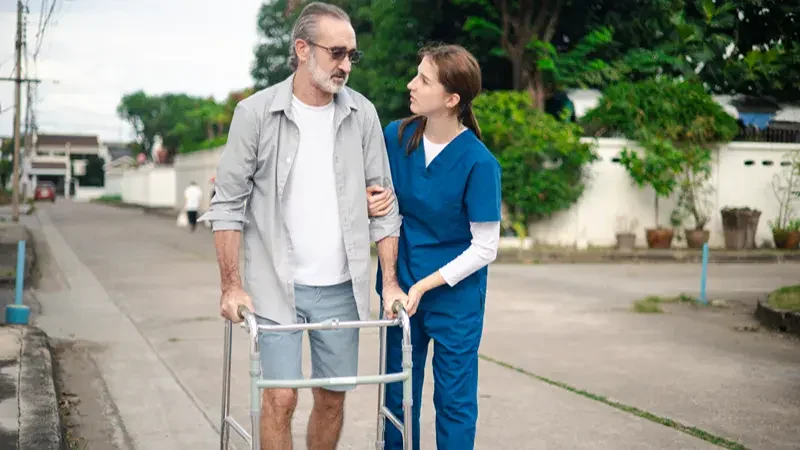
Managing mobility in hospice care is about finding the right balance between safety, comfort, dignity, and independence. You cannot prevent every fall, especially as physical abilities change, but you can reduce many avoidable risks. A personalized plan, safer surroundings, appropriate mobility aids, and guidance from your hospice team can help your loved one continue receiving hospice care at home with greater comfort and confidence.
Fall Prevention Starts With Understanding What Has Changed
A loved one who walked safely last month may need assistance today. Physical decline during serious illness can affect muscle strength, coordination, endurance, gait, and stability. Some medications can also contribute to sleepiness or dizziness, while dehydration, low blood pressure, vision problems, or confusion may further increase fall risk.
Current CDC guidance recommends evaluating an older adult’s individual risk factors rather than treating falls as an unavoidable consequence of aging. Its STEADI approach centers on screening for fall risk, assessing contributing factors, and selecting appropriate interventions.
For a family member receiving hospice, the appropriate response should also reflect their comfort, condition, abilities, and care goals. Talk with your hospice team if you notice new weakness, unsteadiness, gait changes, dizziness, confusion, or a recent fall.
A Home Safety Check Can Reveal Hidden Risks
Familiar surroundings are one advantage of home hospice care, but everyday household features can become hazards when mobility changes. A rug that has been in the hallway for years can suddenly catch a walker. A dark route to the bathroom can become difficult to navigate at night.
The National Council on Aging recommends keeping walking areas clear, improving lighting, securing carpeting, avoiding loose throw rugs, and installing grab bars around toilets, tubs, and showers. These simple home modifications can support aging safely at home without making your home environment feel clinical.
Home Safety Checklist For Hospice Patients
Consider walking through the areas your loved one uses most and checking for:
- Clear, uncluttered pathways between the bed, bathroom, and sitting areas.
- Secure flooring without loose rugs, curled carpet edges, or slippery surfaces.
- Good lighting and accessible nightlights, especially between the bedroom and bathroom.
- Secure grab bars or handrails where additional stability is needed.
- Frequently used items within easy reach without having to stretch or climb.
If your loved one has dementia, additional considerations may be helpful. Changes in depth perception and visual processing can make certain flooring patterns or environmental changes confusing, so dementia-focused fall prevention should account for both physical and cognitive changes.
The Right Mobility Aid Should Match Today’s Needs
Walkers, wheelchairs, and other mobility aids can support independence, but only when they match the person’s current abilities and are used correctly. A device that worked earlier in an illness may no longer provide enough support after a significant change in strength or balance.
A healthcare professional can make sure walking aids are appropriately sized and used safely. Physical or occupational therapy professionals may also help determine which assistive devices are appropriate and teach safer ways to use them.
Your hospice team can help you discuss changing mobility needs and whether to consider additional hospice medical equipment as part of the care plan.
Safe Transfers Protect Both Your Loved One & You
Some falls happen when a person is not actually walking. Moving from a bed to a wheelchair, getting up from the toilet, or lowering into a chair can become challenging when someone has limited mobility.
Do not assume that lifting harder is the safest solution. Improper transfer assistance can put your loved one at risk and may also injure you as a caregiver. Ask your hospice team to show you the safest way to assist with transfers based on your loved one’s current strength and abilities.
A hospital bed, wheelchair, walker, bedside commode, or other appropriate equipment may make certain daily routines safer and less exhausting. The goal is not to eliminate movement unnecessarily. It is to provide the level of assistance your loved one needs while preserving comfort and patient dignity.
Bathroom Trips Deserve Extra Attention
Bathroom needs can become a major source of fall risk because your loved one may feel an urgent need to get up, even when they are weak or unsteady. Nighttime trips can add poor lighting, fatigue, and disorientation.
Consider whether the route to the bathroom is clear and well lit. Grab bars and non-slip surfaces can improve safety around the toilet and shower. If getting to the bathroom has become exhausting or unsafe, ask your care team whether a bedside commode or another approach could better support comfort.
Medication Changes Can Affect Balance & Stability
Medication plays an important role in comfort-focused care, but some medicines can cause drowsiness, dizziness, confusion, or changes in coordination. Discuss medicines that cause dizziness or sleepiness with a healthcare professional as part of fall prevention.
Never stop or change a medication on your own. Instead, tell your hospice nurse about new dizziness, unusual sleepiness, confusion, weakness, or changes in balance. Your care team can consider those symptoms within the larger personalized care plan and your loved one’s comfort goals.
Hospice Caregivers Should Know When To Step In
It can be difficult to watch someone who values independence begin needing help. You may feel tempted to hover constantly, while your loved one may resist assistance because they want to maintain control over daily life.
Try to make safety a partnership rather than a restriction. Ask where your loved one feels least steady, what activities they still want to do independently, and where they are comfortable accepting assistance. This approach respects autonomy while acknowledging changing physical needs.
Good caregiver education also matters. Knowing how to assist with movement, when to use mobility equipment, and when to call your hospice team can help you feel more confident instead of constantly worrying about the next fall.
Make A Plan Before A Fall Happens
Even with thoughtful prevention, falls may still occur. Having an emergency plan means you do not have to make every decision in a stressful moment.
Keep important phone numbers accessible and make sure you understand whom to call if your loved one falls. A charged phone should be within reach whenever possible. You may also consider emergency response systems for people concerned about falling.
If a fall occurs, do not rush to pull your loved one upright. First assess whether they may be injured and follow the guidance provided by your healthcare or hospice team. Seek help when your loved one is injured or cannot safely get up.
Hospice Nurse Home Visits Help Safety Plans Evolve
Fall prevention is not something you complete once and forget. As an illness progresses, yesterday’s safe routine may no longer work today.
During hospice nurse home visits, changes in symptoms, strength, medication response, and caregiving needs can be discussed as part of the larger care plan. If you notice a new mobility problem between visits, tell your hospice team rather than waiting for the next scheduled conversation.
This ongoing communication is especially important if your loved one begins sleeping more, needs more help with daily activities, has repeated near-falls, or suddenly stops using a walker or other aid safely.
The Goal Is Safety Without Losing Sight Of Quality Of Life
If you’re caring for someone receiving end-of-life care at home, fall prevention should not become a series of restrictions that overshadows comfort and meaningful living. Your loved one’s preferences still matter.
Perhaps sitting on the patio each evening is important. Maybe they want to continue eating meals at the kitchen table rather than in bed. Your care plan can consider how to make valued activities safer, rather than automatically removing them.
That balance is central to home hospice. Safety matters, but so do independence, dignity, comfort, and quality of life.
Support Safer Days At Home With Hospice Care In Las Vegas
As mobility changes, you should not have to figure out every new challenge by yourself. Amore Hospice Care’s in-home hospice services support patients and families through the changing physical and emotional needs that come with serious illness.
For families exploring in-home hospice care in Las Vegas, we’re here to answer your questions and help you understand what compassionate care at home can look like for your loved one. Contact us to learn more today.