
Caring for a loved one with dementia at home is both an act of love and a major responsibility. As dementia progresses, safety becomes one of the most important aspects of care – especially when your loved one is receiving in-home hospice care. The goal is to help them remain comfortable, calm, and protected in a familiar environment while preserving dignity and independence as much as possible.
We understand the challenges families face in creating a safe and soothing home environment for loved ones living with dementia. Here are a few practical and compassionate safety tips for dementia patients in hospice care to help you navigate this journey with confidence and peace of mind.
In-Home Hospice Care For Dementia Patients: What To Expect
When dementia advances to its later stages, hospice care focuses on comfort, symptom management, and emotional support rather than curative treatments. In-home hospice care for dementia patients provides specialized support from nurses, aides, social workers, chaplains, and volunteers – all working together to maintain quality of life.
Safer In-Home Hospice In Las Vegas
Unlike general home care, dementia hospice care includes tailored guidance on managing confusion, agitation, and wandering behaviors that may increase safety risks. By combining medical expertise with compassionate understanding, hospice professionals help your family adapt your home to meet the unique needs of your loved ones.
Creating A Safe Home Environment For Memory Care
A peaceful, structured environment helps reduce disorientation and anxiety for dementia patients. Small adjustments in your home can make a big difference in safety for seniors with dementia.
Preventing Disorientation In Dementia
- Remove any clutter and tripping hazards. Keep floors clear of cords, rugs, and unnecessary furniture to prevent falls.
- Use soft, non-glare lighting. Gentle, even lighting minimizes confusion and shadows that can startle or mislead.
- Simplify pathways. Arrange furniture so patients can move around easily without bumping into obstacles.
- Secure dangerous items. Store cleaning supplies, knives, medications, and tools out of reach or in locked cabinets.
Creating consistency in surroundings – such as keeping furniture and decor in familiar places – helps prevent disorientation in dementia patients and supports a sense of stability.
Hospice Care Tips For Preventing Falls & Injuries
Falls are one of the leading safety concerns for seniors with dementia. According to the Journal of the American Medical Association (JAMA), falls are the most common cause of injury in older adults, with 27.5% of older adults reporting a fall in the past year. The Centers for Disease Control (CDC) also says falls among adults 65 and older caused over 38,000 deaths in 2021, making it the leading cause of injury death for that group.
Mobility changes, balance issues, and confusion about surroundings can all increase the risk. To promote home safety for dementia patients, it’s important to keep slips, trips, and falls in mind.
Fall Prevention For Dementia Patients
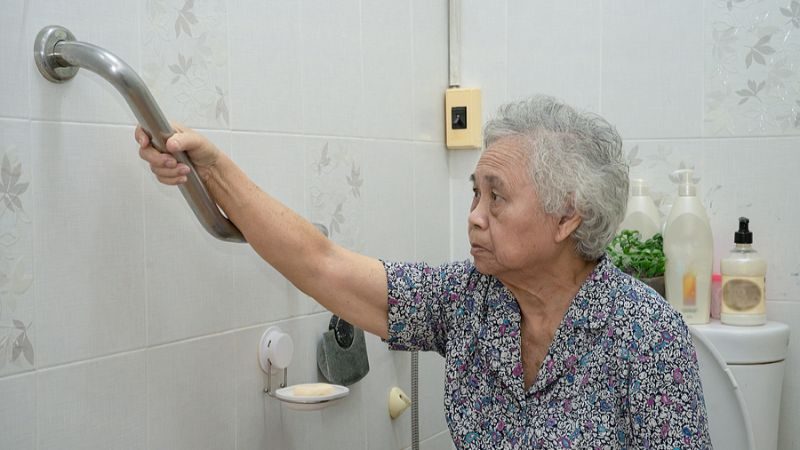
- Install grab bars in bathrooms and near steps.
- Add non-slip mats in tubs and showers.
- Ensure proper footwear – avoid loose slippers or socks on slick floors.
- Keep frequently used items within reach, so your loved one doesn’t need to climb or stretch.
Hospice nurses can also help assess mobility needs and recommend assistive devices such as walkers or bed rails. These small changes reduce risks and give family caregivers greater peace of mind.
Tips For Managing Confusion & Wandering In Seniors
One of the more challenging symptoms of dementia is wandering, which can lead to injury or getting lost. For patients in hospice care at home, preventive measures ensure safety while allowing freedom of movement and personal comfort.
How To Keep Dementia Patients Safe
- Install door alarms or motion sensors to alert caregivers if your loved one attempts to leave unexpectedly.
- Use visual cues – such as colorful signs, arrows, or photos – to help with orientation around the home.
- Avoid overstimulation. Keep noise levels low and maintain a calm, predictable daily routine.
- Provide safe spaces to walk inside or in an enclosed outdoor area to satisfy the natural urge to move.
Supporting Emotional Safety & Comfort At Home
Physical safety is only part of the picture – emotional safety is equally important. Dementia can cause anxiety, paranoia, and fear when familiar surroundings or routines change.
Creating A Sense Of Security For Seniors
- Speak calmly, using a gentle and reassuring tone.
- Play soothing music or familiar sounds from their past.
- Keep photos and personal items nearby to spark recognition and comfort.
- Maintain consistent daily patterns – regular meal times, bedtime, and quiet moments can reduce distress.
In dementia hospice care, emotional support extends beyond the patient. Hospice teams also provide counseling and education for family members, helping them respond compassionately to behavioral changes and emotional needs.
Home Safety Checklist For Dementia Patients
You may find it helpful to follow a dementia home safety checklist as part of ongoing care. Regularly reassessing your home setup helps keep dementia patients safe and comfortable as their condition changes.
General Areas
- Remove throw rugs and excess furniture.
- Keep walkways clear and well-lit.
- Label rooms or drawers with simple signs or pictures.
Bathroom
- Install grab bars and raised toilet seats.
- Use temperature-limiting devices on faucets to prevent burns.
- Keep medications and cleaning products locked away.
Bedroom
- Ensure beds are at a safe height.
- Add nightlights or motion lights for nighttime visibility.
- Keep essential items (glasses, phone, water) close to the bed.
Kitchen
- Unplug small appliances when not in use.
- Lock away sharp utensils or toxic cleaners.
- Turn stove knobs to the “off” position when unattended.
Collaborating With Your Hospice Team
One of the greatest benefits of in-home hospice care is having a team of professionals who can guide you through every aspect of care – including home safety. Hospice nurses, social workers, and aides can ensure that your loved one receives the right balance of independence, comfort, and protection.
- Conduct safety assessments of the home.
- Teach family members how to assist with mobility and personal care safely.
- Offer emotional and respite support for caregivers.
- Adjust care plans as dementia symptoms progress.
Caring For The Caregiver
It’s easy to become so focused on your loved one’s needs that you overlook your own. Yet, maintaining your own well-being is vital to providing the best care possible.
- Take regular breaks and accept help from friends or volunteers.
- Stay connected to hospice social workers and support groups.
- Prioritize your own rest, nutrition, and emotional health.
We believe that caring for families is just as important as caring for patients. Our goal is to help you feel supported, informed, and never alone in this journey.
Compassionate In-Home Hospice For Dementia Patients In Las Vegas
If your loved one is living with dementia and approaching the advanced stages of illness, Amore Hospice Care is here to help. Our in-home hospice care for dementia patients provides comfort, safety, and peace for both patients and families across Las Vegas. We’ll work closely with you to create a customized care plan that includes safety evaluations, emotional support, and compassionate end-of-life care – all delivered with dignity and love.
Contact us today to learn more about our specialized hospice care for dementia patients and how we can help you create a secure, peaceful home environment for your loved one.